
Experience
Trails of Trade: Cinnamon, Spices & Gems of Sri Lanka
Theme
Best Time for Visit
Experiences
What to Expect in This Experience
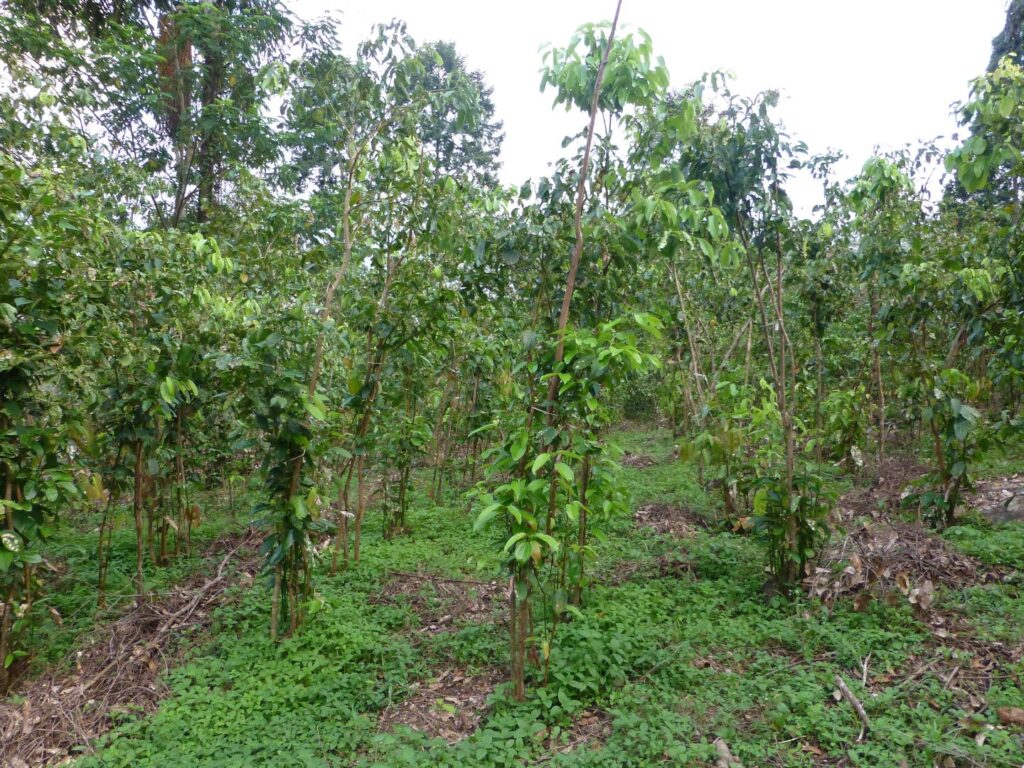
Guided walks through cinnamon estates and spice gardens.
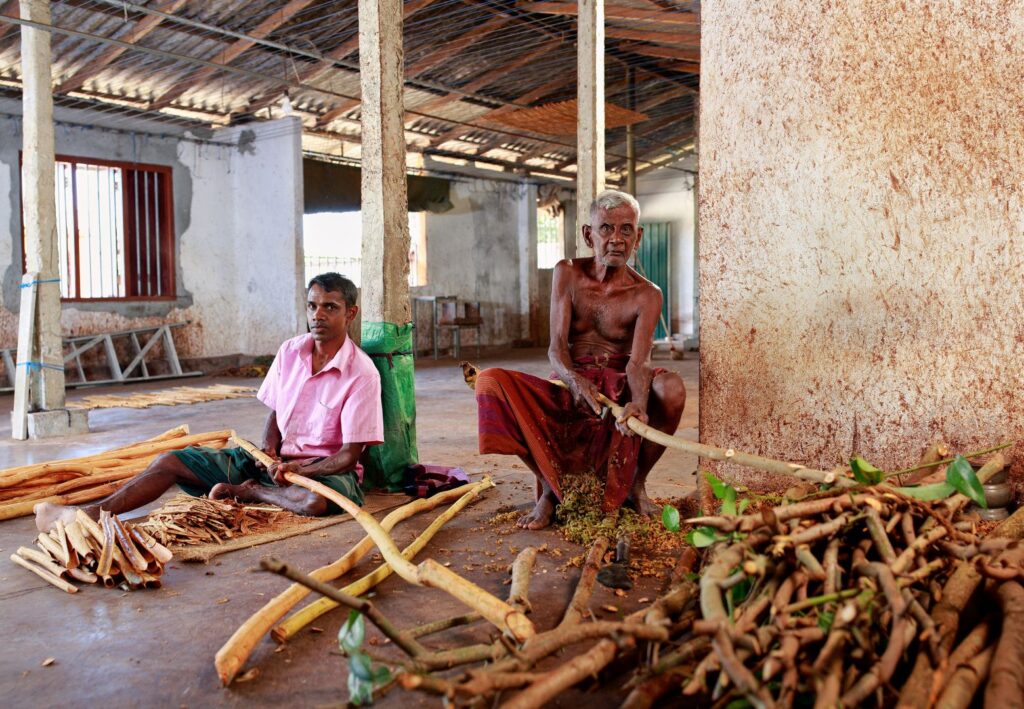
Live demonstrations of peeling, grinding, and cooking with spices.
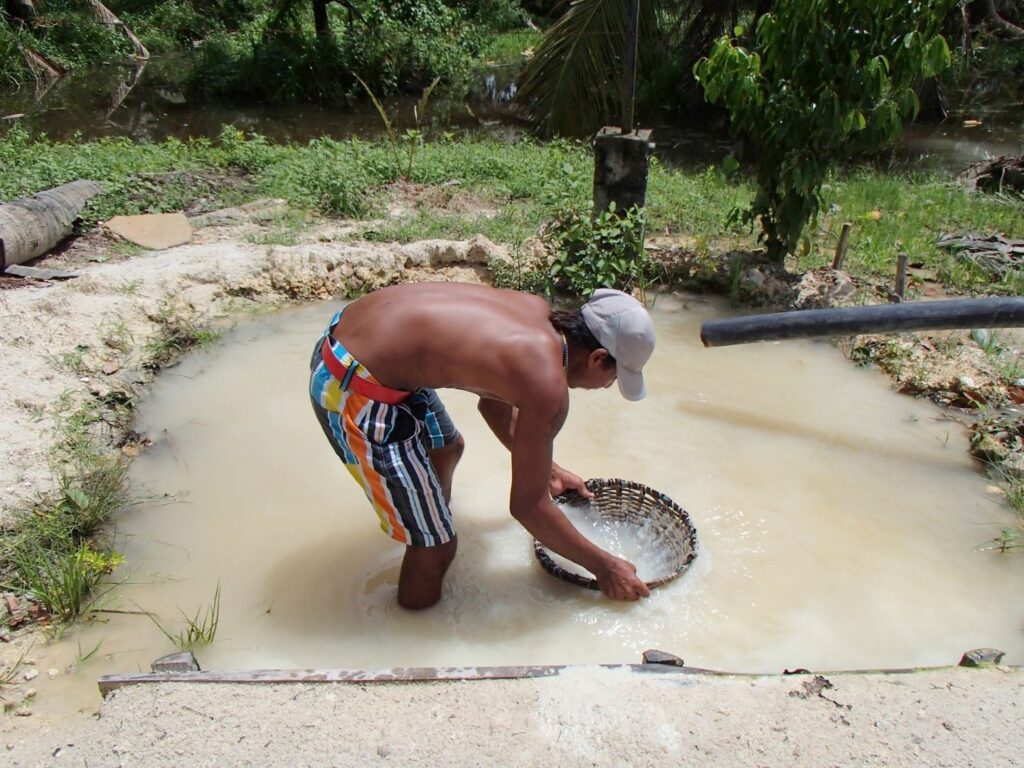
Visits to gem mines and workshops in Ratnapura.
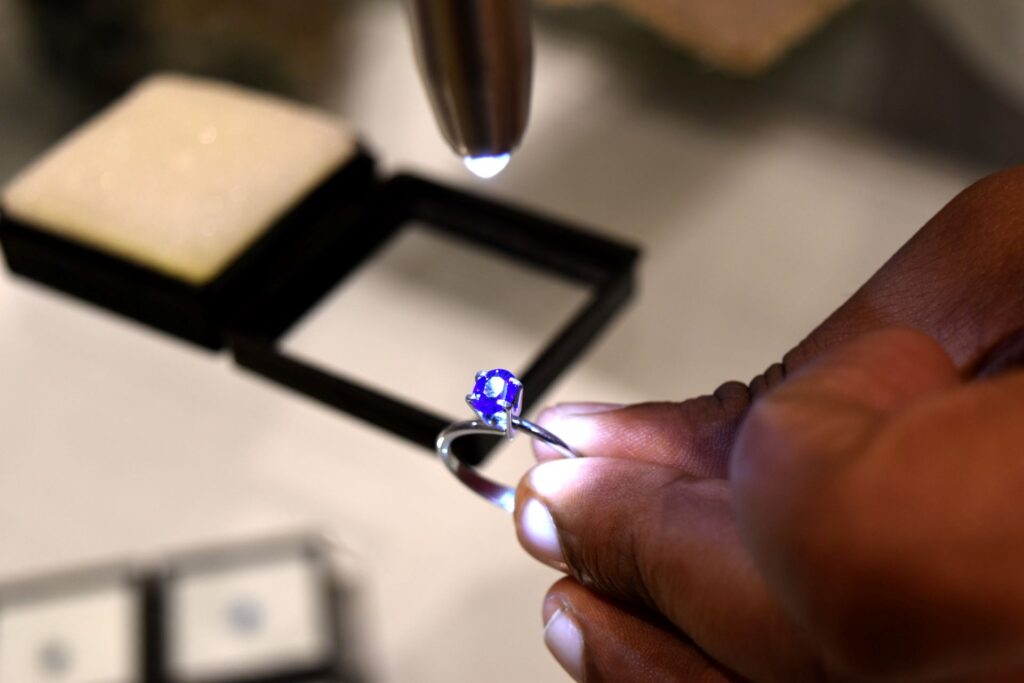
Market explorations with insight into gem valuation and trade history.
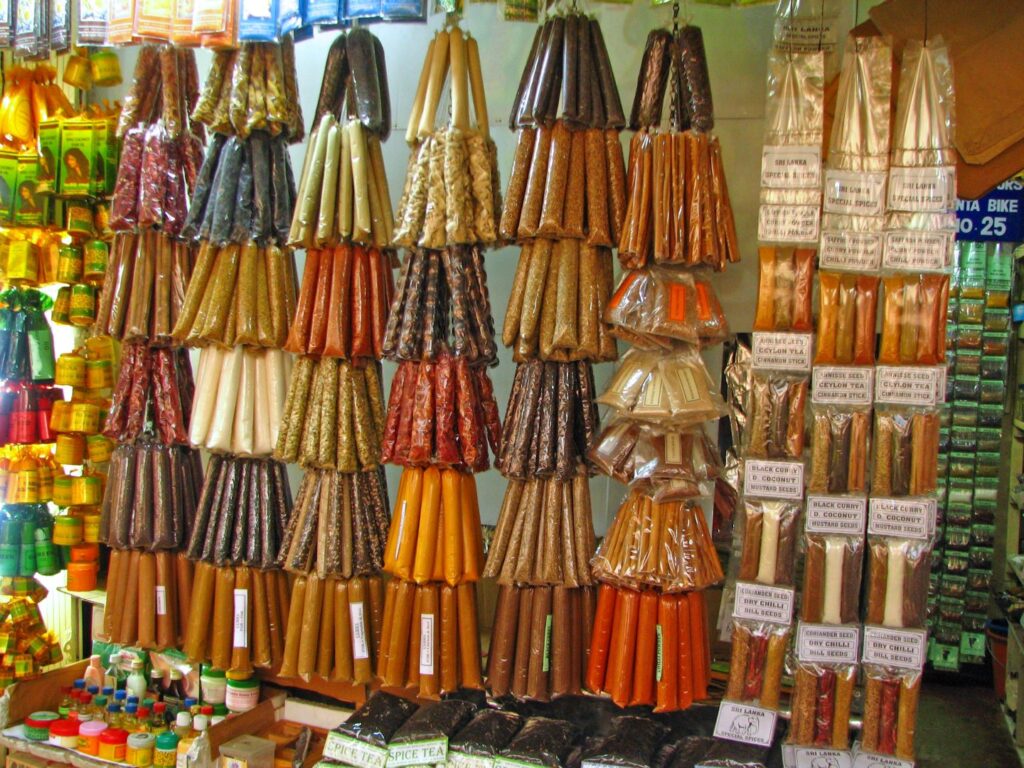
Opportunities to purchase authentic spices and gems with expert guidance.
Overview
Experience Overview
For centuries, Sri Lanka was a prized jewel in global trade networks. Arab traders, Portuguese, Dutch, and British colonizers all fought to control the island’s cinnamon and gems, commodities so valuable they shaped the destiny of nations. Today, travelers can retrace these trade routes through immersive tours of spice gardens, historic trading posts, and gem markets.
-
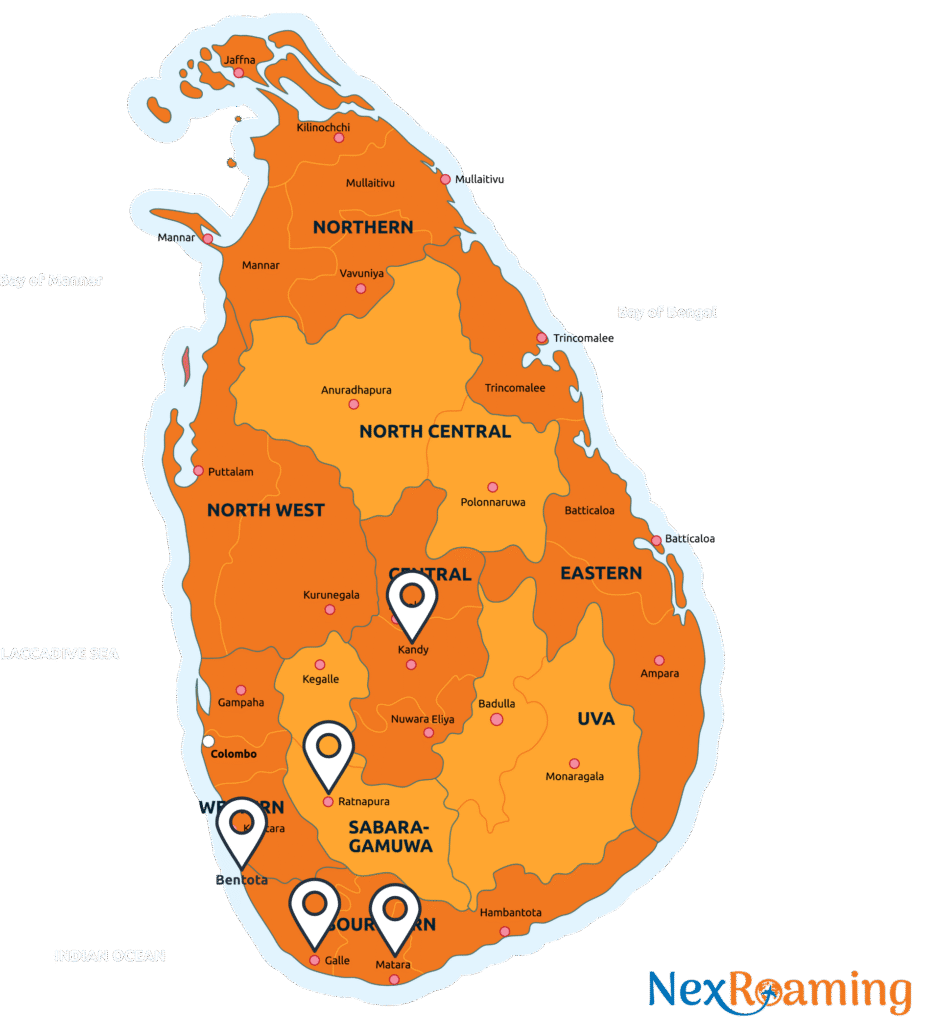
Cinnamon is perhaps Sri Lanka’s most famous export. Native to the island, “Ceylon Cinnamon” was once worth more than gold. A visit to cinnamon estates in places like Galle or Matara reveals how the delicate inner bark of the tree is carefully peeled, dried, and rolled by skilled hands. Storytelling adds context about how this spice influenced colonial conquests and still flavors Sri Lankan cuisine.
-
Spice gardens in Matale and Kandy open the world of nutmeg, cloves, cardamom, pepper, and turmeric. Walking through lush plantations, guests learn about cultivation, traditional medicinal uses, and the global significance of Sri Lankan spices. Hands-on demonstrations—like grinding spices with a stone mortar—bring the history to life.
-
Gem trade heritage thrives in Ratnapura, known as the “City of Gems.” From ancient times, Sri Lanka’s sapphires, rubies, and moonstones were sought by royalty worldwide. Visitors can tour gem mines, see how stones are cut and polished, and browse markets where sparkling gems change hands. Knowledgeable guides share stories of famous sapphires, including those in British royal crowns.
Exploring these industries reveals more than trade—it’s about people and tradition. From farmers tending spice gardens to miners working riverbeds, the legacy of cinnamon, spices, and gems continues to shape livelihoods, culture, and Sri Lanka’s global identity.
Destinations
Best Destinations for This Experience
Tours
Tours Include This Experience
Tips