
Experience
From Salt to Sea: Visiting Salt Pans, Pearl-Diving, and Traditional Industries
Theme
Best Time for Visit
Experiences
What to Expect in This Experience

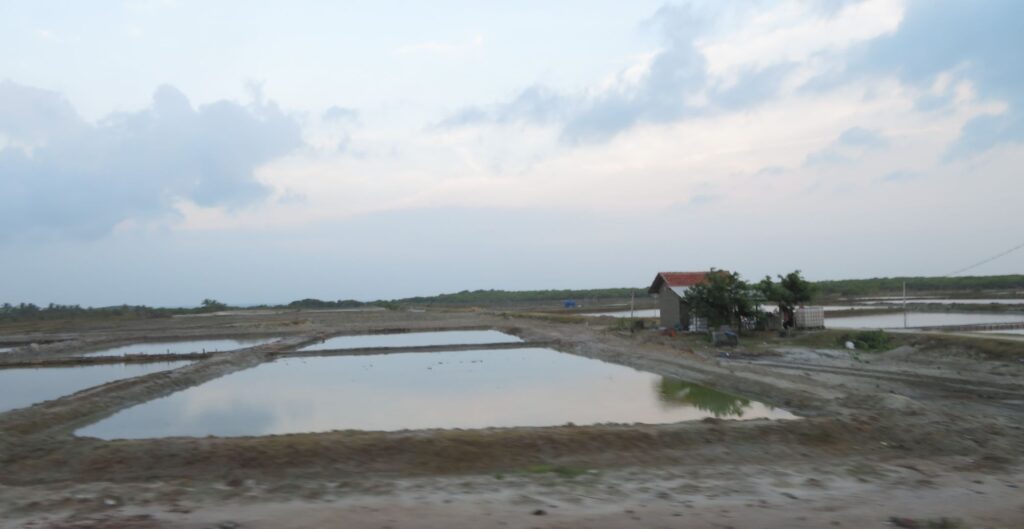
Observing traditional salt harvesting from evaporation pans.

Witnessing pearl diving techniques and learning their historic

Interaction with local artisans practicing pottery, coir rope-making, and other crafts.
Insights into the sustainability and cultural importance of these industries.

Opportunity to purchase locally produced goods as souvenirs.
Overview
Experience Overview
Sri Lanka’s coastal belt has long been shaped by industries that balance the rhythms of the sea and the land, creating livelihoods deeply tied to tradition. These experiences invite travelers to step into a world where nature and heritage converge, offering a rare glimpse into skills and practices passed down for generations.
In Mannar, vast salt pans stretch across the horizon, glistening under the tropical sun. Here, locals still harvest salt using age-old evaporation methods, a process that transforms seawater into one of the purest natural salts. Visitors can walk along the pans, observe the meticulous harvesting techniques, and discover the cultural and economic importance of this craft that has sustained coastal communities for centuries.
Moving to Puttalam, salt production takes on another dimension, blending with vibrant fishing villages where daily life revolves around both land and sea. The sights and sounds of nets being cast, boats being mended, and salt crystals forming in the pans reveal how tradition and livelihood intertwine in this coastal landscape.
Further south in Hambantota, the focus shifts to the legendary craft of pearl-diving—once a vital part of Sri Lanka’s trade networks. Though large-scale commercial pearl-diving has faded, visitors can still witness demonstrations, meet local divers, and hear stories of the island’s long connection to the treasures of the sea. These tales speak of endurance, danger, and the pursuit of beauty that once made Sri Lankan pearls prized across the world.
Beyond salt and pearls, the experience often extends to other artisanal industries rooted in the coast. Travelers may see coir rope spun from coconut husks, pottery shaped with traditional tools, or small-scale crafts that reflect both ingenuity and sustainability. Each practice highlights not just skill, but a way of life that remains closely linked to the natural environment.
Altogether, these encounters offer more than observation—they provide an interactive and meaningful journey into the living traditions of Sri Lanka’s coastal communities. By engaging with local artisans and learning their stories, visitors leave with a deeper appreciation of the island’s resilience, creativity, and enduring relationship with the sea.
Destinations
Best Destinations for This Experience

Tours
Tours Include This Experience
Tips