
Experience
Faces of Tradition: Mask Carving & Craft Workshops in Sri Lanka
Theme
Best Time for Visit
Experiences
What to Expect in This Experience
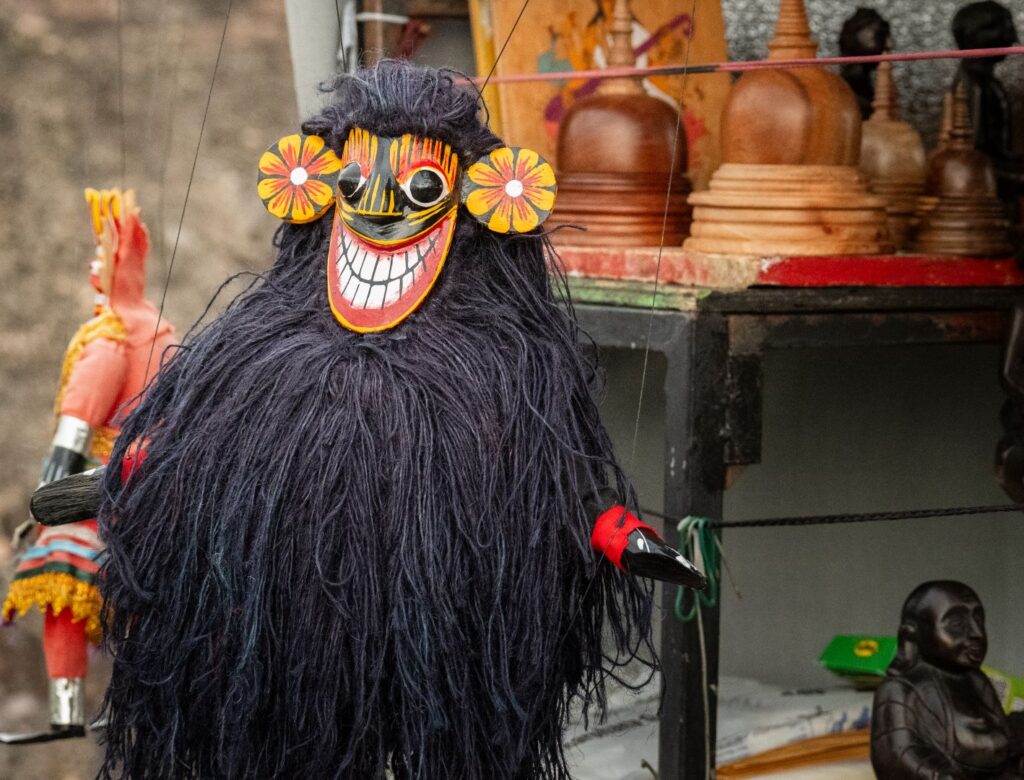
Guided introduction to the history and symbolism of Sri Lankan masks.
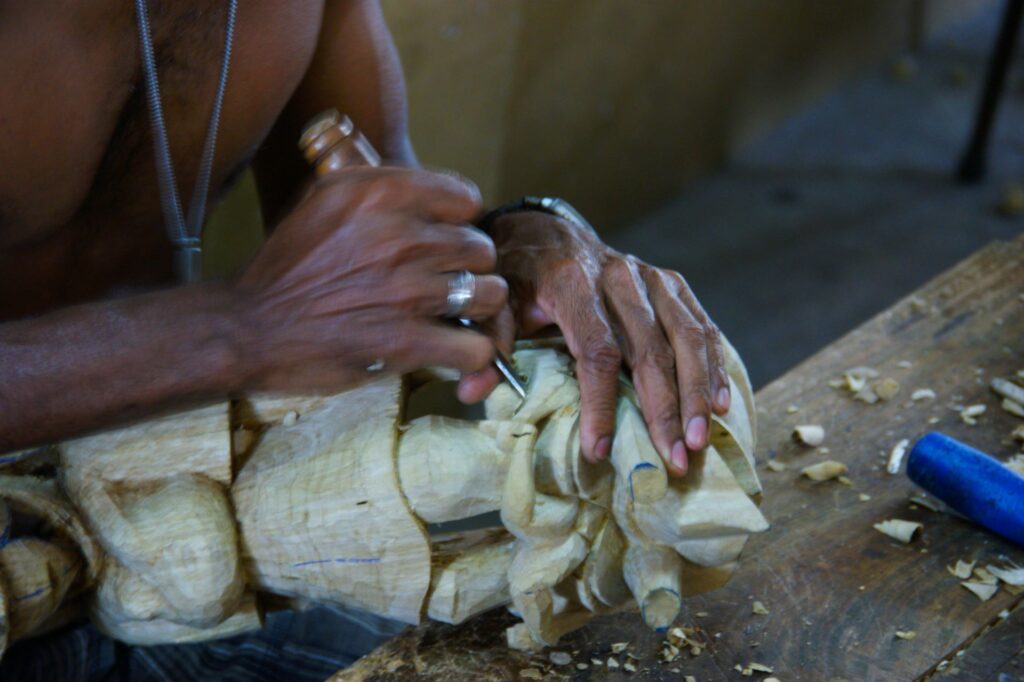
Live demonstrations of carving and painting techniques.
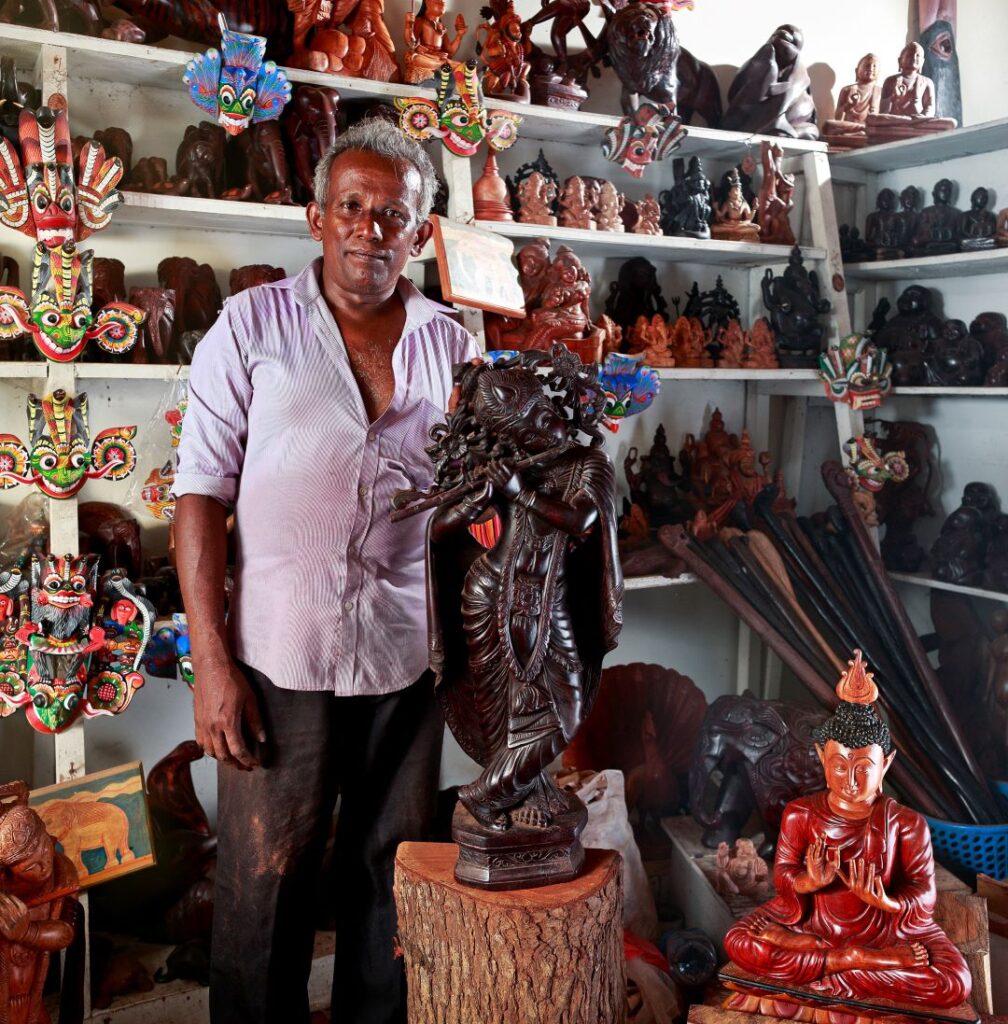
Hands-on participation in making or painting a small mask.
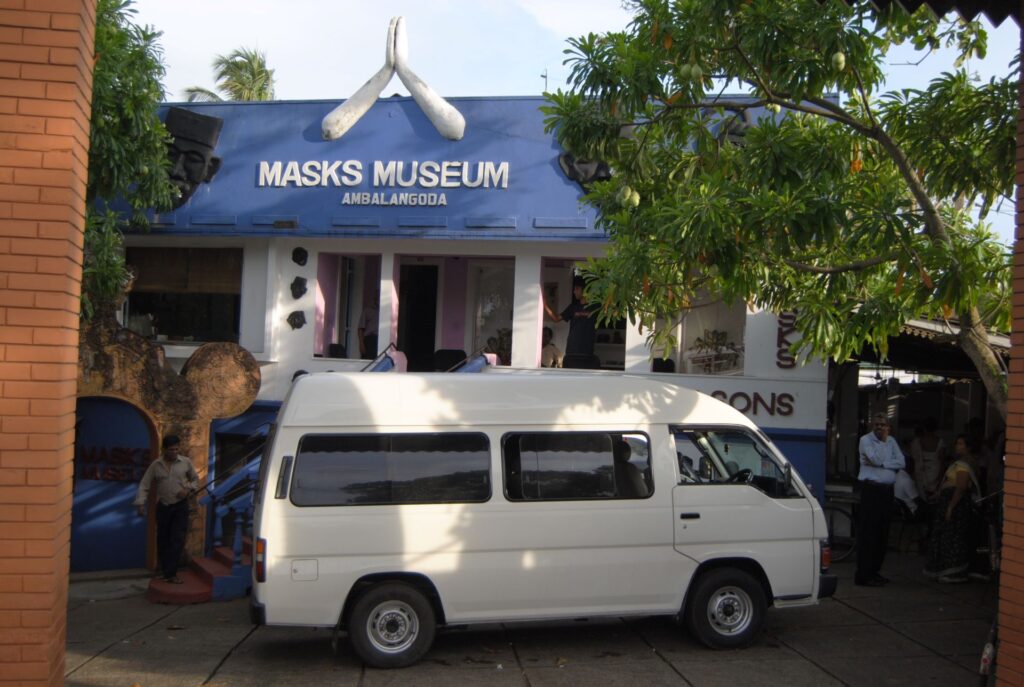
Visits to mask museums showcasing rare and historic designs.
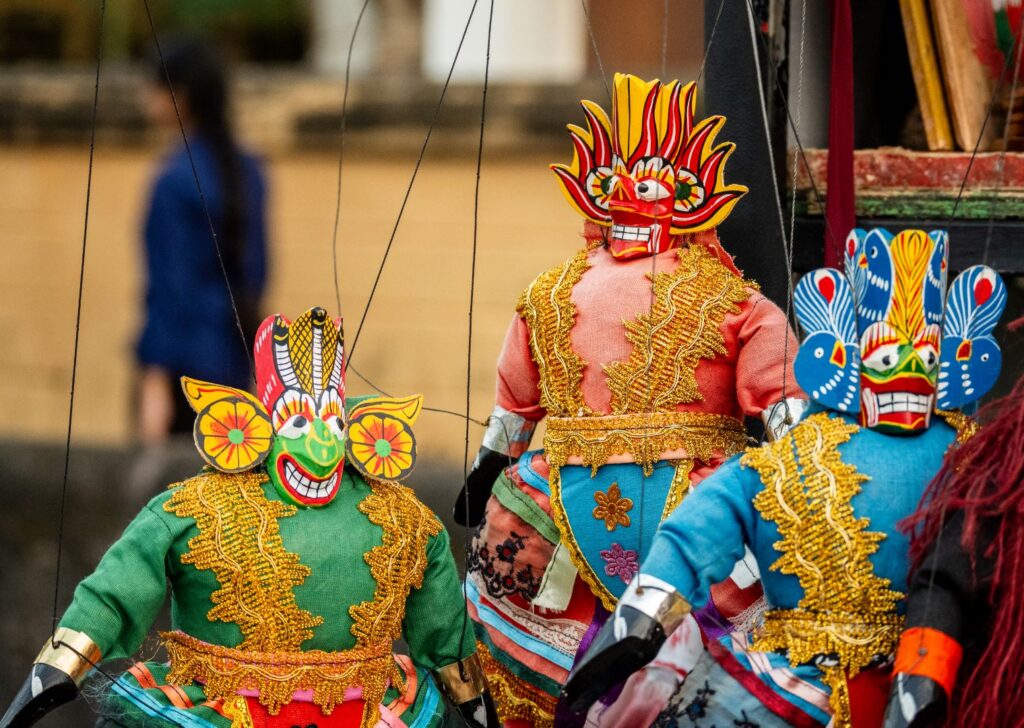
Opportunities to purchase authentic, handmade masks directly from artisans.
Overview
Experience Overview
Masks hold a unique place in Sri Lanka’s cultural identity. From fiery demons warding off evil to serene faces of deities, masks are more than decoration—they embody stories, spiritual beliefs, and healing rituals.
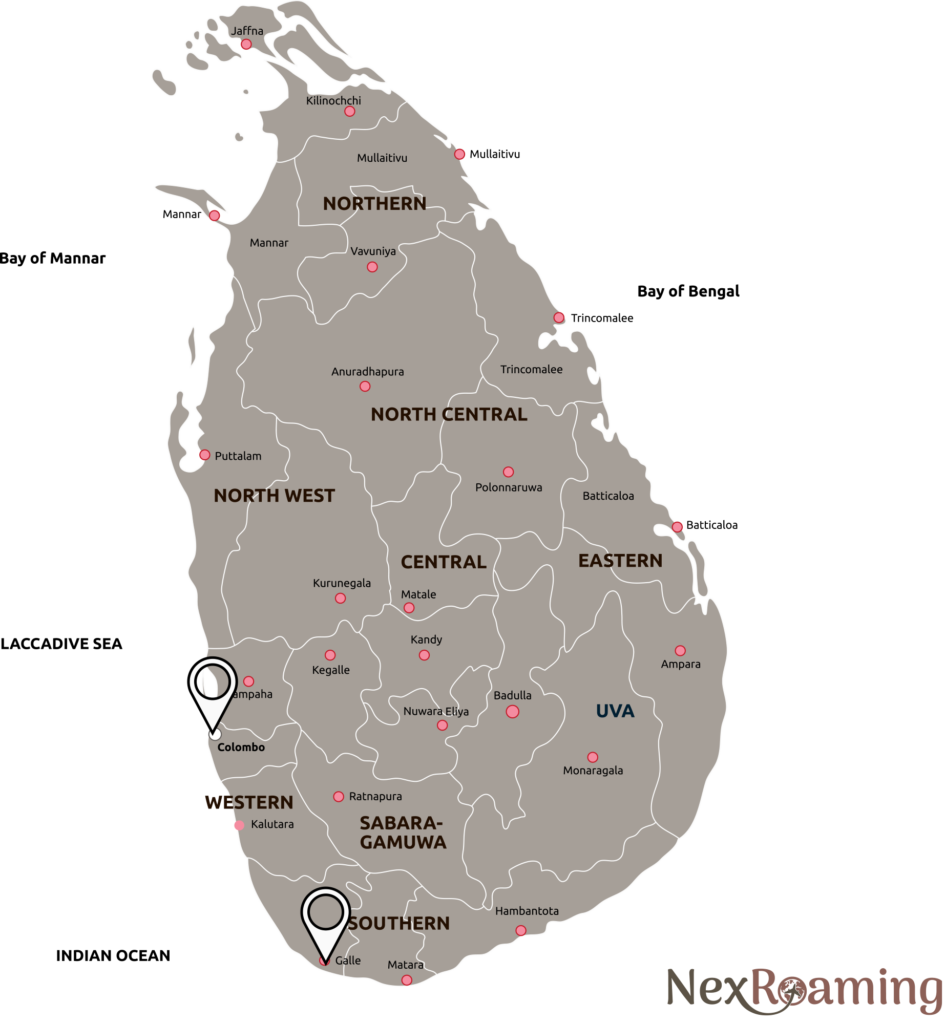
The craft is most famously preserved in Ambalangoda, a southern coastal town considered the heart of Sri Lanka’s mask-making tradition. Here, families have been carving masks for generations, their knowledge carefully guarded and lovingly passed down. Workshops allow travelers to step into this world, learning about the symbolic meanings behind each mask and the painstaking techniques used to bring them to life.
The process begins with selecting the right wood—typically light kaduru wood, chosen for its softness and fine grain. Carvers sketch designs inspired by traditional motifs: the fierce Raksha masks with bulging eyes and fanged teeth, the elegant Kolam masks used in folk theater, or the spiritual Sanni masks, each representing a specific illness or ailment in healing rituals.
Guests can observe artisans chiseling intricate patterns, then move to the painting stage where bold reds, greens, and yellows breathe personality into the carved faces. In hands-on workshops, participants are invited to sand, carve, or paint their own mini-mask under the guidance of skilled craftsmen. This is not just an art class—it’s an immersion into a cultural practice where every curve and color has meaning.
Beyond Ambalangoda, smaller mask-making communities can be found near Galle and Colombo, and museums display collections that help contextualize the history of masks in Sri Lankan theater and ritual. Together, these experiences reveal how an ancient craft continues to thrive in a modern world.
Destinations
Best Destinations for This Experience
Tours
Tours Include This Experience
- Short Getaways: 2–3 Days
- 3 Days
- 2 Nights
- Homestay, 3 Star Hotels, 4 Star Hotels, 5 Star Hotels
- From 390 USD
Tips